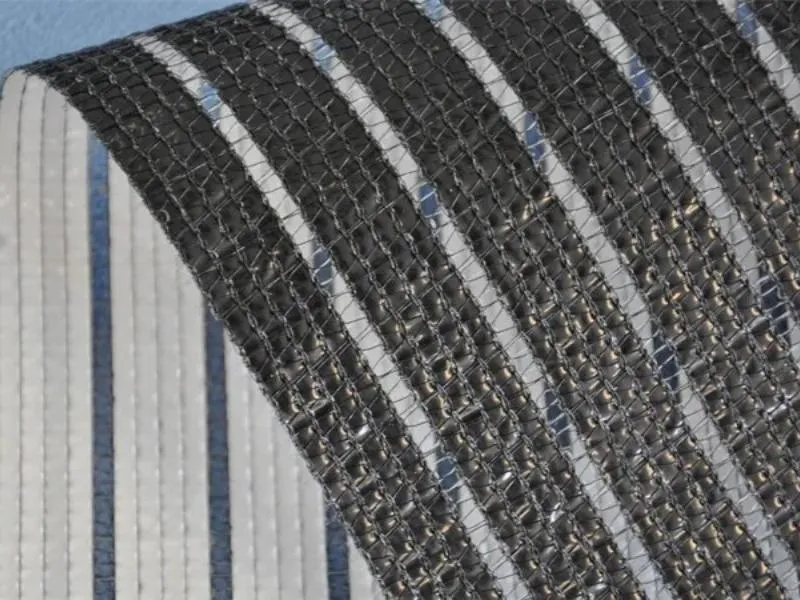
Huachang supplies durable greenhouse shade netting designed to reduce excessive sunlight, lower heat stress, and create a more stable growing environment for greenhouse crops. Made from UV-stabilized materials, this greenhouse shade net supports better light control, air circulation, and long-term protection for vegetables, flowers, seedlings, and nursery plants.
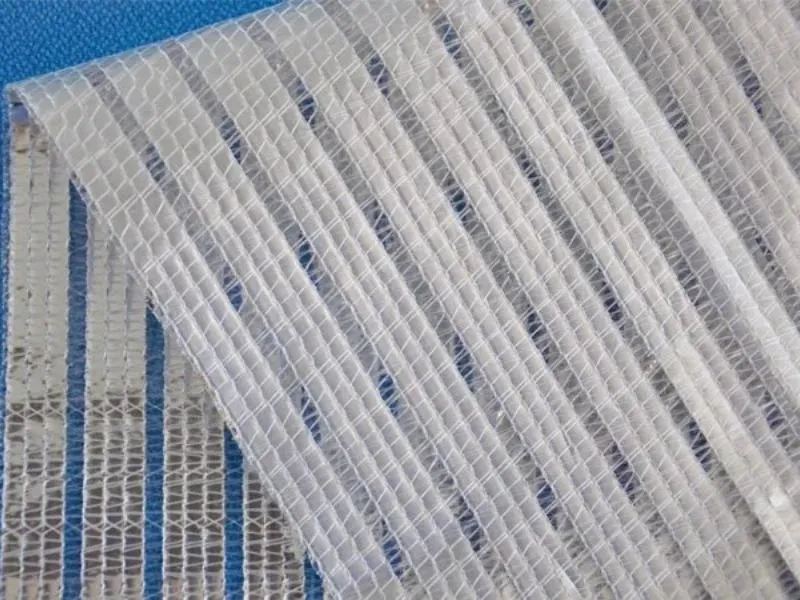
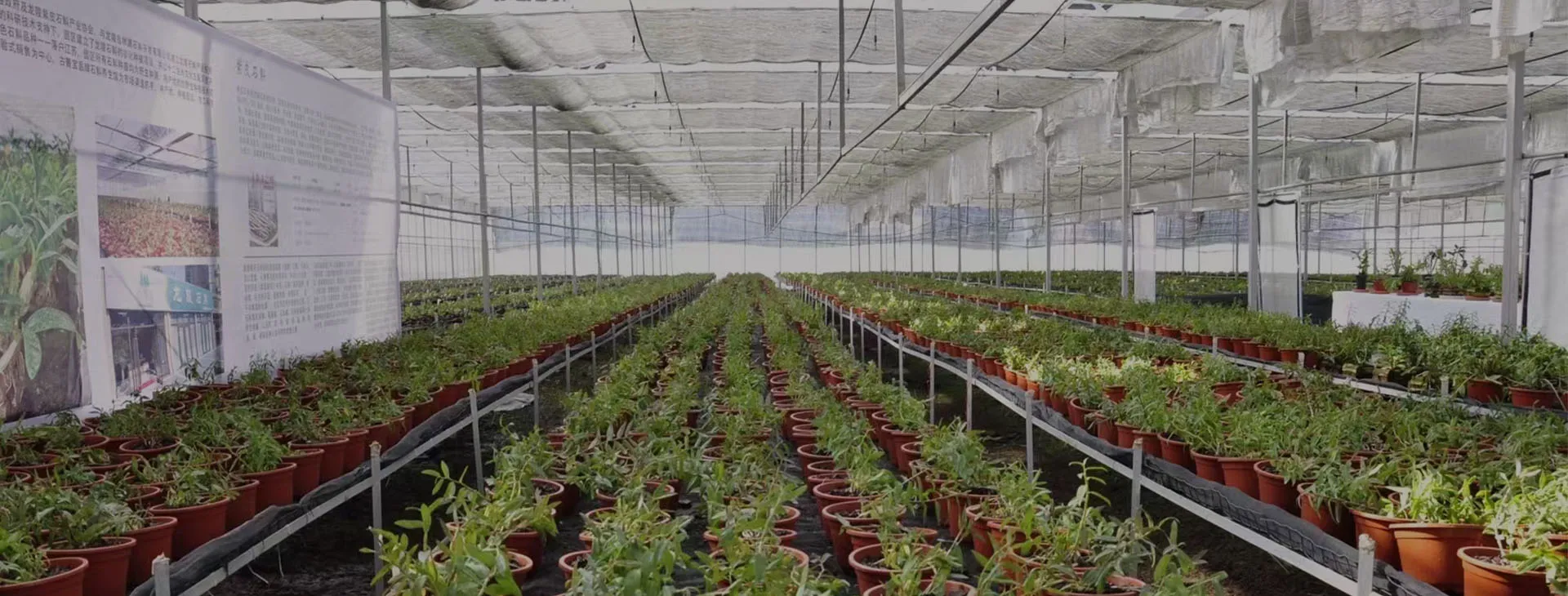
A suitable greenhouse shading netting system helps reduce excessive sunlight, lower heat stress, and support more stable temperature control inside the greenhouse. This is especially useful for vegetables, flowers, seedlings, and nursery plants during hot seasons.
By using the right greenhouse shading fabric, growers can improve light distribution, reduce sudden temperature changes, and create better growing conditions for crops. It also supports air circulation while helping prevent direct sun damage.
For greenhouses in areas with strong sunlight, a properly selected greenhouse shading net can improve crop comfort, reduce water stress, and support healthier plant growth.
Choosing the right greenhouse shade net depends on your crop type, local climate, and greenhouse conditions. Consider the following factors before selecting the most suitable solution.
Choose the shade rate based on your plants' light requirements. Around 30% shade is suitable for heat-loving vegetables, while 60%–90% shade is recommended for shade-loving plants, flowers, and nursery crops.
Knitted greenhouse shade netting is lightweight, flexible, and easy to cut without fraying. Woven materials provide higher strength and UV resistance, making them suitable for long-term outdoor applications.
Light-colored nets reflect more sunlight and help keep the greenhouse cooler. Dark-colored nets absorb more heat and are often preferred in cooler climates where additional warmth is beneficial.
A greenhouse shade cover can be installed either inside or outside the greenhouse. Internal installation offers more precise light control, while external installation blocks heat before it enters the greenhouse, helping improve cooling efficiency.
| Factor | Recommendation |
| Shade Rate | 30%–90%, depending on crop requirements |
| Material | Knitted or woven HDPE with UV stabilizer |
| Color | Light colors for cooling, dark colors for heat retention |
| Installation | Internal or external greenhouse installation |
Generally, a shade rate of 30% to 80% is suitable for most crops, but specific requirements depend on the plant type and growth stage.
Our shade nets are typically made from high-quality polyethylene materials, which are durable and UV-resistant.
The shade net can be secured to the top and sides of the greenhouse using hooks, clips, or ropes, making installation simple and convenient.
With normal use and proper maintenance, the lifespan of the shade net is usually 3 to 5 years.
Yes, you can clean the shade net with water and mild detergent to maintain its performance.
Our shade nets are designed with wind resistance in mind, but additional securing is recommended in extreme weather conditions.
Yes, we offer custom sizing services to meet your specific needs.
Choosing between internal and external installation depends on the greenhouse structure, cooling needs, and crop requirements. Both options help improve greenhouse shade management, but they work in different ways.
| Type | Best For | Main Benefit |
| Internal Greenhouse Shade Net | Greenhouses that need flexible light and temperature control | Easy to adjust, install, and maintain inside the greenhouse |
| External Greenhouse Shade Net | Greenhouses exposed to strong sunlight and outdoor heat | Blocks heat before it enters the greenhouse and improves cooling efficiency |
Internal greenhouse shade net is suitable for growers who need more precise light control inside the greenhouse. External greenhouse shade cover is better for reducing direct sunlight, heat buildup, and outdoor weather impact.
To achieve better shading performance, install the greenhouse shade cover evenly across the top, side, or internal support system of the greenhouse. Keep the net properly tensioned and avoid sharp contact points that may damage the material.
For large greenhouse projects, shade cloth for a greenhouse should be fixed with clips, hooks, ropes, or support frames according to the greenhouse structure. In windy areas, reinforced edges and additional fixing points are recommended.
If your greenhouse also needs insect protection, Huachang can provide related options such as shade netting for greenhouse and greenhouse insect screen products for sidewalls, vents, doors, and other openings.
Huachang supplies durable greenhouse shade netting for commercial greenhouses, nurseries, vegetable farms, flower farms, and horticultural projects. Our products can be customized by shade rate, color, size, roll length, and installation requirements.
| Specification | Available Options |
| Material | HDPE with UV stabilizer |
| Product Type | Internal shade net, external shade net |
| Shade Rate | 30%, 40%, 50%, 60%, 70%, 80%, 90% or customized |
| Color | White, black, green, silver-gray, black-white or customized |
| Form | Roll packing, bale packing, or customized export packing |
| Application | Greenhouses, nurseries, vegetable farms, flower farms, horticulture |
| Size | Width and length can be customized |
| Installation | Clips, hooks, ropes, frames, or greenhouse support systems |
For buyers looking for a stable greenhouse shade cloth roll, Huachang can recommend suitable specifications based on greenhouse structure, crop type, sunlight intensity, and local climate.
Huachang provides customized greenhouse shade netting for commercial greenhouses, nurseries, farm suppliers, and agricultural project buyers. We support different shade rates, colors, widths, roll lengths, edge treatments, and export packing requirements.
With 66,000㎡ of production space, 10 extrusion lines, 115 Sulzer projectile looms, 48 rapier looms, and 14 Raschel knitting machines, Huachang can supply stable-quality greenhouse mesh and shade net products for long-term greenhouse use.
Our factory holds SGS Audited Supplier Certification and ISO 9001 Quality Management System Certification. We serve buyers in South America, North America, Europe, the Middle East, Southeast Asia, and Australia.
 Tel/Whatsapp +86-0511-87261373
  sca@hcpco.com
 English