Excessive sunlight and high temperatures are among the biggest challenges facing agricultural production during the growing season. Prolonged exposure to intense solar radiation can increase soil and canopy temperatures, damage leaves and fruits, reduce photosynthesis, and ultimately affect crop yield and quality.
A high-quality agriculture shade net helps regulate light intensity, lower temperatures, and create a healthier growing environment for plants. However, selecting the highest shading percentage is not always the best solution. Different crops and growth stages require different levels of light, making it essential to choose the appropriate shade rate.
This guide explains how to match shade net specifications with various planting applications for optimal crop performance.
An agriculture shade net reduces excessive solar radiation while still allowing sufficient light for plant growth. Selecting the proper shading level helps growers:
Reduce greenhouse and field temperatures
Prevent leaf scorch and sunburn
Improve water retention in the soil
Reduce plant heat stress
Protect young seedlings
Maintain healthy photosynthesis
According to the product specifications, agricultural shade nets are available in various shade rates and colors, allowing growers to choose the most suitable solution for different crops and climates.
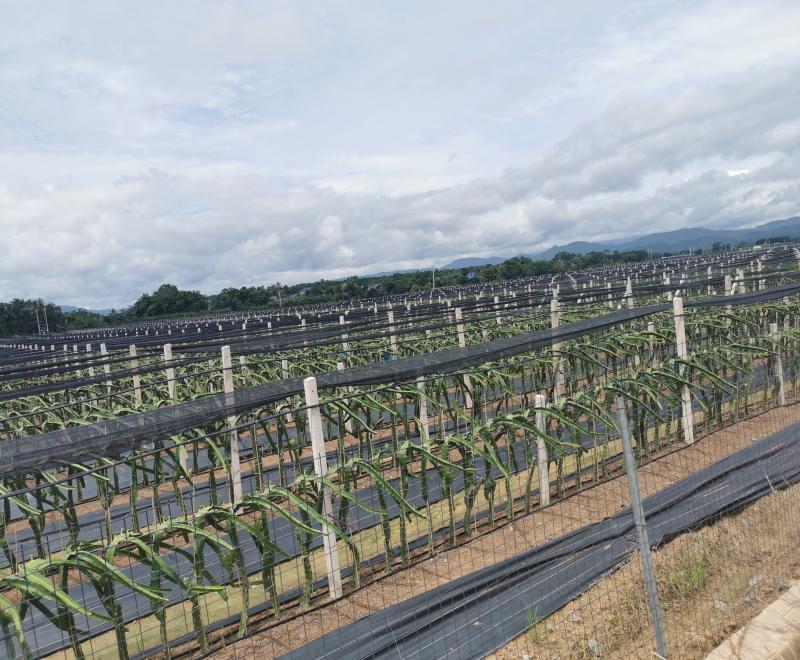
Fruit trees require abundant sunlight during fruit enlargement and ripening. Excessive shading may reduce photosynthesis, affecting fruit size, coloration, and sugar accumulation.
A 20%–30% shade net provides light shading while reducing excessive heat.
Citrus orchards
Apple orchards
Pear orchards
Grape vineyards
Stone fruits
For these crops, highly light-transmitting shade nets help reflect excess heat while maintaining sufficient sunlight for healthy fruit development.
Reduce fruit sunburn
Lower canopy temperature
Maintain photosynthesis
Improve fruit coloring
Support sugar accumulation
Leaf vegetables and ornamental foliage plants are generally more sensitive to direct sunlight. Intense heat can cause leaf yellowing, scorching, dehydration, and reduced growth.
A 30%–40% shade net provides moderate protection while allowing enough light for vigorous vegetative growth.
Lettuce
Spinach
Herbs
Ornamental foliage plants
Leafy vegetables
Silver-colored shade nets are often preferred because they combine shading with heat reflection, helping reduce leaf surface temperatures while distributing softer, more uniform light.
Prevent leaf burn
Reduce heat stress
Improve leaf quality
Promote uniform growth
Enhance ventilation and cooling
Young seedlings have shallow root systems and limited tolerance to intense sunlight. Excessive heat can quickly lead to dehydration, transplant shock, or poor establishment.
A 50%–60% shade net provides stronger protection during the nursery stage.
Vegetable nurseries
Flower seedlings
Tree nurseries
Greenhouse propagation
Transplant production
Black shade nets are commonly selected because they provide uniform shading and excellent cooling performance, creating a stable environment for healthy seedling development.
Lower nursery temperatures
Protect tender seedlings
Improve survival rates
Encourage stronger root development
Reduce heat damage
Besides shade percentage, selecting the proper material is equally important.
According to the product specifications, agricultural shade nets are manufactured from UV-stabilized HDPE (High-Density Polyethylene), providing excellent durability for long-term outdoor use.
Key features include:
UV stabilized for extended service life
Lightweight and easy to install
High tensile strength
Excellent weather resistance
Good ventilation
Temperature reduction
Available in multiple colors
Various shade percentages for different growing requirements
These characteristics make agricultural shade nets suitable for both open-field farming and greenhouse cultivation.
Agriculture shade nets are widely used in:
Vegetable production
Fruit orchards
Greenhouses
Flower cultivation
Tree nurseries
Herb farming
Vineyards
Seedling propagation
Shade houses
Commercial agriculture
By selecting the appropriate shade percentage, growers can create the optimal microclimate for different crops throughout the growing season.
Choosing the right agriculture shade net is about balancing sunlight, temperature, and crop requirements—not simply selecting the highest shade percentage.
As a general guideline:
| Crop Type | Recommended Shade Rate | Primary Benefit |
|---|---|---|
| Sun-loving fruit trees | 20%–30% | Maintain photosynthesis while reducing heat stress |
| Leafy vegetables and foliage plants | 30%–40% | Protect leaves from excessive sunlight |
| Seedlings and nursery crops | 50%–60% | Create a cool, protected environment for young plants |
With the right combination of shade percentage, color, and durable HDPE material, growers can reduce heat stress, improve crop quality, and achieve more stable yields throughout the growing season.
If you need assistance selecting the ideal agriculture shade net for your crops, climate, or growing system, a customized solution can help maximize both plant health and long-term productivity.
 Tel/Whatsapp +86-0511-87261373
  yerm@stcco.com.cn
 English