Choosing the right greenhouse shade cloth percentage depends on your crop type, climate conditions, greenhouse structure, and the amount of sunlight your plants require. In most greenhouse applications, 30% shade cloth is suitable for light-sensitive crops and mild climates, 50% shade cloth is the most versatile option for vegetables and general greenhouse use, 70% shade cloth works well for heat-sensitive plants and hot regions, while 90% shade cloth is mainly used for specialized applications requiring maximum light reduction.
Selecting the correct shade percentage helps maintain optimal temperature, reduce plant stress, improve water efficiency, and create a more stable growing environment. This guide explains the differences between 30%, 50%, 70%, and 90% shade cloth options and how to choose the best solution for your greenhouse.
The ideal greenhouse shade cloth percentage depends on crop type, climate conditions, and greenhouse growing requirements. HC provides shade nets with different shading rates from 30% to 90%, allowing growers to select suitable light-control solutions for different agricultural applications.
A general guideline is:
| Shade Percentage | Light Reduction Level | Recommended Applications |
|---|---|---|
| 30% Shade Cloth | Low shading | Seedlings, flowers, leafy vegetables, mild climates |
| 50% Shade Cloth | Medium shading | Vegetables, nurseries, general greenhouse production |
| 70% Shade Cloth | High shading | Tropical climates, heat-sensitive crops, ornamental plants |
| 90% Shade Cloth | Maximum shading | Special crops, propagation areas, extreme heat protection |
For growers who need reliable protection from excessive sunlight while maintaining healthy plant growth, selecting a suitable greenhouse shade cloth is essential. High-quality shade nets help regulate light intensity, reduce heat accumulation, and improve greenhouse efficiency.
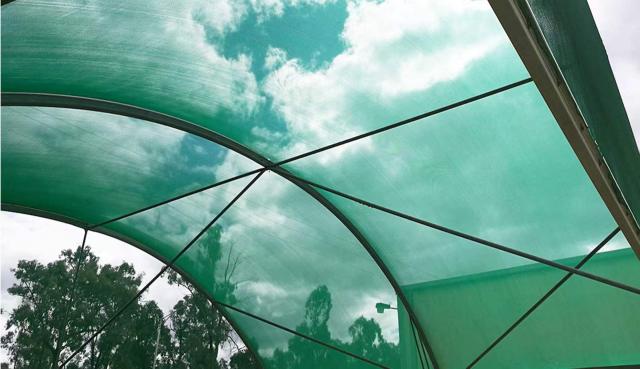
Different shade percentages create different growing environments. Understanding their differences can help growers avoid excessive shading or insufficient protection.
A 30% shade cloth blocks approximately 30% of sunlight while allowing most natural light to enter the greenhouse. It is commonly used for crops that still require strong sunlight but need protection from intense midday radiation.
Typical applications include:
Young seedlings requiring gentle protection
Flowers and ornamental plants
Herbs and leafy greens
Greenhouses located in cooler regions
The main advantage of 30% shading is maintaining high light availability while reducing leaf scorching and heat stress.
For many growers, 50% shading is the ideal middle ground. A shade cloth for greenhouse with 50% shading reduces excessive solar radiation while allowing enough light for photosynthesis.
It is widely used for:
Tomatoes
Cucumbers
Lettuce
Nursery plants
General vegetable production
A 50% shade rate is especially suitable for areas with strong summer sunlight because it helps lower greenhouse temperatures without significantly affecting crop growth.
When greenhouses operate in regions with intense sunlight and high temperatures, 70% shade cloth provides stronger protection.
Common applications include:
Tropical and subtropical greenhouses
Ferns and shade-loving plants
Ornamental plant cultivation
Livestock and outdoor agricultural protection
The higher shading rate reduces solar heat gain and helps prevent plant dehydration during extreme weather conditions.
A 90% shade cloth provides maximum sunlight reduction and is designed for specialized agricultural applications where plants require significantly reduced light intensity. It is commonly used for shade-loving plants, propagation areas, and environments with extreme heat or strong sunlight exposure.
Applications include:
Mushroom cultivation areas
Plant propagation zones
Temporary heat protection
Special agricultural environments
However, 90% shading may reduce photosynthesis if used for crops that require strong sunlight. Therefore, it should be selected carefully based on plant requirements.
Shade percentage directly influences greenhouse microclimate conditions, including temperature, humidity, evaporation, and plant development.
During hot seasons, excessive solar radiation can increase greenhouse temperatures significantly. Installing suitable shade cloth reduces direct sunlight exposure and helps create a more stable environment.
For example:
30% shade: Provides mild solar protection with maximum light transmission.
50% shade: Offers balanced cooling and light control.
70% shade: Provides stronger heat reduction for hot environments.
90% shade: Creates highly shaded conditions for specialized production.
Incorrect shading can negatively affect plant growth:
Too little shade may cause leaf burn, wilting, and excessive water consumption.
Too much shade may slow photosynthesis and reduce crop productivity.
Professional growers often combine shade percentage selection with factors such as greenhouse orientation, local climate, crop variety, and seasonal changes.
Huachang provides customized solutions for different agricultural environments, including various specifications of greenhouse shade cloth designed for different light-control requirements.
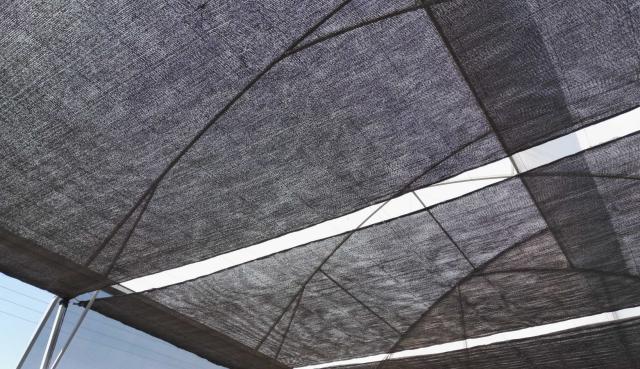
Choosing the correct shade percentage requires more than simply selecting a number. Several factors influence the best choice.
Different plants have different light tolerance levels.
High-light crops usually need 30%-50% shading.
Medium-light crops commonly use 50%-70% shading.
Shade-loving plants may require 70%-90% shading.
Understanding crop requirements is the first step in choosing the right shade solution.
Climate plays a major role in shade selection.
Hot and sunny regions typically require higher shade percentages, while cooler regions usually need lower shading levels to maximize sunlight availability.
The greenhouse design also affects shading performance.
Consider:
Greenhouse orientation
Roof material
Ventilation system
Growing season
Installation position of the shade net
A greenhouse with excellent ventilation may require less shading compared with a poorly ventilated structure.
The percentage alone does not determine performance. Material quality, UV resistance, weaving technology, and durability are equally important.
A high-quality shade cloth should provide:
Stable shading performance
UV protection
Long service life
Good air circulation
Resistance to outdoor weather conditions
With years of experience in agricultural plastic textiles, Huachang provides reliable shade solutions for greenhouse growers worldwide. Jiangsu Huachang Yarns & Fabrics Co., Ltd. is located in Zhenjiang City, Jiangsu Province, with convenient transportation.
The company operates a 66,000-square-meter production facility with 150 employees, including 10 extrusion lines, 115 Sulzer projectile looms, 48 rapier looms, and 14 Raschel knitting machines. Huachang has obtained SGS Audited Supplier Certification and ISO 9001 Quality Management System Certification.
Its product range includes shade nets, anti-insect nets, anti-hail nets, anti-bird nets, weed mats, and other plastic textile products. Through advanced manufacturing technology, strict quality management, and continuous research and development, Huachang provides customized solutions that meet diverse agricultural requirements.
Huachang products are widely supplied to customers in South America, North America, Europe, the Middle East, Southeast Asia, and Australia, offering stable quality and competitive pricing for long-term cooperation.
For customized greenhouse shading solutions, you can visit Huachang or contact the professional team through Contact Us.
Choosing between 30%, 50%, 70%, and 90% shade cloth depends on balancing sunlight protection and plant growth requirements. For most greenhouse growers, 50% shading provides the most flexible solution, while 30% works well for light-demanding crops, 70% is ideal for hot climates, and 90% is suitable for specialized low-light applications.
Before purchasing, growers should evaluate crop type, climate conditions, greenhouse design, and shade cloth quality. The right shading percentage can improve growing conditions, reduce heat stress, and increase greenhouse productivity.
A reliable supplier with advanced manufacturing capabilities can help provide the right shading solution for different agricultural needs.
Yes. 50% shade cloth is one of the most commonly used options for greenhouses because it provides a balanced reduction of sunlight while maintaining sufficient light for photosynthesis. It is suitable for many vegetables, nurseries, and general crop production.
Not necessarily. A 70% shade cloth is suitable for hot climates, tropical regions, and plants that are sensitive to excessive sunlight. However, crops with high light requirements may perform better with lower shading levels.
For most vegetables, 30%-50% shade cloth is recommended. Crops such as lettuce and leafy greens often benefit from 50% shading during hot seasons, while tomatoes and cucumbers may require lower shading depending on climate conditions.
Yes, but only for plants that tolerate low light conditions or applications requiring strong heat protection. Using 90% shade cloth on high-light crops may reduce photosynthesis and affect growth.
The service life depends on material quality, UV stabilization, installation method, and environmental exposure. High-quality UV-resistant shade nets can typically provide several years of outdoor performance when properly installed and maintained.
Both types have advantages. Knitted shade cloth usually offers better flexibility, tear resistance, and durability, while woven shade cloth can provide strong structural stability. The best choice depends on greenhouse requirements and application conditions.
 Tel/Whatsapp +86-0511-87261373
  yerm@stcco.com.cn
 English