Greenhouse insect netting is one of the most effective physical barriers for protecting crops from harmful insects while maintaining airflow and a stable growing environment. The right mesh size depends on the target pests, crop type, climate conditions, and ventilation requirements. Choosing high-quality insect netting with suitable mesh density can reduce pesticide dependence, improve crop quality, and support more sustainable greenhouse production.
For professional growers, commercial greenhouse operators, and agricultural distributors, selecting the right insect net is not only about blocking insects—it is about balancing crop protection, ventilation efficiency, durability, and long-term operating costs.
Huachang provides durable agricultural protection solutions, including customizable anti-insect nets made from 100% virgin HDPE with UV-resistant additives. Available in different mesh counts, weights, widths, and specifications, Huachang insect nets can be customized to meet different greenhouse, nursery, orchard, and agricultural protection requirements.
Greenhouse insect netting is a specialized agricultural mesh installed on greenhouse vents, side openings, doors, and other ventilation areas to prevent insects from entering while allowing air circulation. Unlike chemical pest control methods, insect nets create a physical protection layer that helps growers maintain healthier growing conditions with fewer pesticide applications.
A properly selected insect net for garden and greenhouse use can help protect plants from common pests such as:
Aphids
Whiteflies
Thrips
Leaf miners
Cabbage moths
Other flying insects that damage crops
The main purpose of greenhouse insect netting is to create a controlled environment where crops receive sufficient airflow and sunlight while reducing the risk of pest infestation.
Greenhouses provide ideal growing conditions for crops, but they can also attract pests because of the warm and humid environment. Once insects enter a greenhouse, they can quickly spread plant diseases and reduce yields.
Installing insect netting helps growers:
Prevent insect invasion through ventilation openings
Reduce virus transmission caused by pests
Lower pesticide usage
Improve crop appearance and market value
Maintain cleaner greenhouse conditions
For commercial vegetable production, flower cultivation, and nursery operations, insect netting has become an essential greenhouse protection component.
Mesh size is one of the most important factors when selecting greenhouse insect netting. A smaller mesh provides better pest protection, while a larger mesh allows improved airflow and ventilation.
The ideal mesh size should match the size of the target insects.
| Product Type | Mesh Specification | Main Protection Target | Features |
|---|---|---|---|
| Anti Fruit Fly Net | 25×25 mesh, 32×25 mesh | Fruit flies, large moths, some larger pests | High light transmittance and good ventilation |
| Anti Aphid Net | 40×25 mesh | Aphids and common small pests | Balanced insect protection and airflow |
| Anti Thrips, Whitefly & Tobacco Whitefly Net | 50×25 mesh, 55×40 mesh | Thrips, whiteflies, tobacco whiteflies | Fine mesh structure for stronger insect exclusion |
Not necessarily. A smaller mesh blocks more insects, but it can also restrict airflow and increase greenhouse temperature and humidity if ventilation is insufficient.
Professional growers usually select mesh size based on:
Target pest species
Greenhouse structure design
Local climate
Crop requirements
Ventilation system capacity
A balanced solution ensures effective insect protection without negatively affecting plant growth.
One of the biggest advantages of greenhouse insect netting is that it provides pest protection without completely sealing the growing environment.
Plants require continuous air exchange to support:
Temperature regulation
Humidity control
Carbon dioxide exchange
Pollination conditions
Disease prevention
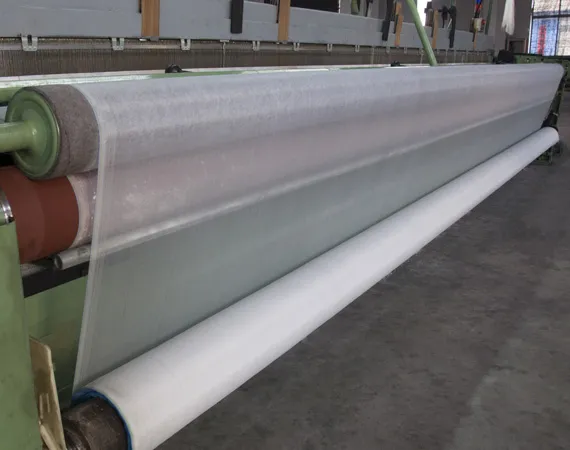
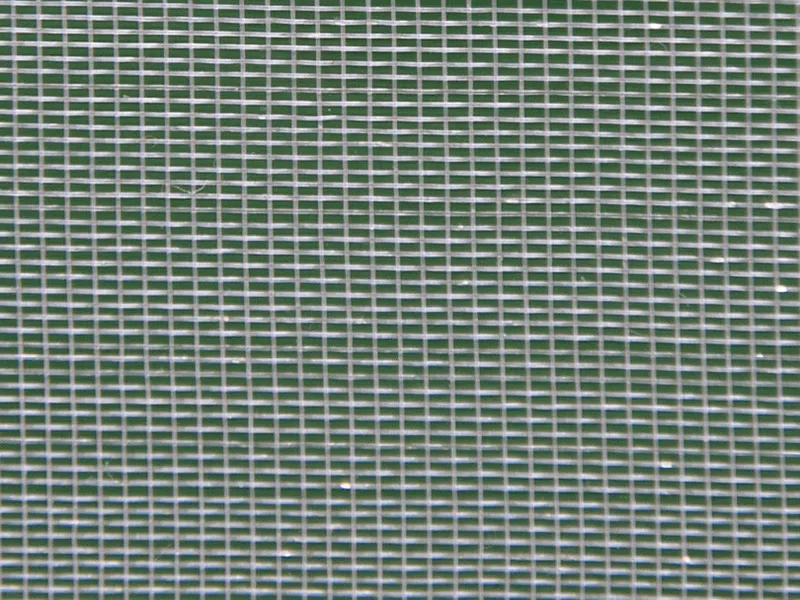
High-quality insect nets are manufactured with precise weaving technology, allowing air to pass through while stopping unwanted insects.
Poor ventilation can create excessive humidity, which increases the risk of fungal diseases. Therefore, greenhouse operators should consider both insect protection and airflow performance when choosing netting.
A reliable insect netting solution should provide:
Uniform mesh openings
Stable air permeability
Strong resistance to stretching
Good UV resistance for outdoor exposure
Long service life under changing weather conditions
Huachang specializes in producing agricultural plastic textile products with advanced manufacturing equipment and strict quality control. Jiangsu Huachang Yarns & Fabrics Co., Ltd. is located in Zhenjiang City, Jiangsu Province, with a 66,000-square-meter production facility and 150 employees. The company operates 10 extrusion lines, 115 Sulzer projectile looms, 48 rapier looms, and 14 Raschel knitting machines.
With SGS Audited Supplier Certification and ISO 9001 Quality Management System Certification, Huachang supplies agricultural nets to customers worldwide, including markets in South America, North America, Europe, the Middle East, Southeast Asia, and Australia.
Choosing greenhouse insect netting requires more than selecting a mesh size. Professional buyers should evaluate material quality, durability, customization options, and supplier reliability.
Most Huachang greenhouse insect nets are made from 100% virgin HDPE, providing lightweight structure, good tensile strength, UV resistance, and long-term outdoor durability.
Because greenhouse nets are exposed to sunlight for extended periods, UV stabilization is essential. UV-resistant materials help prevent cracking, fading, and performance loss.
Different crops have different protection requirements.
Examples:
Leafy vegetables may require protection against aphids and whiteflies.
Fruit crops may need protection against larger insects and disease vectors.
Seedlings often require finer mesh protection because young plants are more vulnerable.
Choosing the correct insect net for garden or greenhouse application helps maintain healthier plant growth throughout the cultivation cycle.
Large greenhouse projects often require customized solutions based on:
Greenhouse dimensions
Installation methods
Required mesh size
Color options
Climate conditions
Working with an experienced manufacturer allows buyers to obtain products that match their specific agricultural needs.
For distributors and large-scale agricultural projects, supplier stability is essential. A reliable manufacturer should provide:
Consistent product quality
Large production capacity
Professional technical support
Flexible customization services
Huachang is committed to providing stable-quality agricultural protection products at competitive prices and supporting long-term cooperation with customers worldwide. For customized requirements, customers can Contact Us for professional assistance.
Selecting the right greenhouse insect netting requires balancing insect exclusion, ventilation, durability, and crop requirements. The correct mesh size can effectively prevent pests while maintaining airflow, helping growers create a healthier and more productive growing environment.
Whether for commercial greenhouses, vegetable farms, nurseries, or home gardens, high-quality insect netting provides a sustainable alternative to excessive pesticide use and supports modern agricultural practices.
With advanced manufacturing technology, strict quality management, and global supply experience, Huachang delivers reliable agricultural net solutions designed for different climates and applications. Choosing the right supplier ensures consistent performance, reduced maintenance costs, and better crop protection over the long term.
The best mesh specification depends on the target pests. For example, 40×25 mesh anti-aphid net is designed for aphid protection, while 50×25 mesh and 55×40 mesh insect nets provide finer protection against smaller pests such as thrips and whiteflies while maintaining airflow.
High-quality insect netting allows air exchange while blocking insects. However, very fine mesh can slightly reduce airflow, so growers should choose a suitable balance between pest protection and ventilation based on local climate conditions.
Huachang insect nets are made from UV-resistant HDPE materials and can provide approximately 3–5 years of outdoor service life, depending on installation conditions and environmental exposure.
Insect netting can significantly reduce pest pressure and pesticide requirements, but it is usually part of an integrated pest management (IPM) strategy. Growers may still need monitoring and additional pest control methods depending on crop conditions.
Yes. An insect net for garden applications can help protect vegetables, herbs, and flowers from common pests while allowing sunlight and airflow. It is a practical solution for both small gardens and commercial farming systems.
Huachang combines advanced production equipment, strict quality management, and extensive export experience to provide reliable agricultural net solutions. The company manufactures shade nets, anti-insect nets, anti-hail nets, anti-bird nets, weed mats, and other plastic textile products for customers worldwide. Its professional production capability helps ensure stable quality and competitive solutions for different agricultural applications.
 Tel/Whatsapp +86-0511-87261373
  yerm@stcco.com.cn
 English