The right windbreak net depends on crop sensitivity, local wind conditions, greenhouse structure, and the level of protection required. In general, windbreak nets with 30%-65% wind reduction rates are available for different agricultural and industrial applications. The appropriate wind reduction level depends on crop sensitivity, local wind conditions, and the protection requirements of the project. Huachang windbreak nets are designed to reduce wind speed by 35%-65%, helping protect crops while maintaining necessary airflow. For highly exposed fields or fragile crops, higher-density solutions may be required, while young plants often benefit from moderate wind protection.
Strong winds can damage crops by breaking stems, increasing evaporation, causing soil erosion, and reducing plant productivity. Choosing the correct wind reduction rate helps create a stable microclimate, improve water efficiency, and protect crops throughout different growth stages.
This guide explains how windbreak net percentages work, how to select the right protection level, and what factors growers should consider when investing in agricultural wind protection solutions.
Wind reduction rate is one of the most important specifications when selecting a wind protection solution. It indicates how much wind speed can be reduced after air passes through the net.
Different wind reduction rates create different levels of protection:
| Wind Reduction Rate | Protection Level | Suitable Applications |
|---|---|---|
| 30% | Light wind protection | Areas requiring basic wind control while maintaining high airflow |
| 35% | Moderate wind protection | Agricultural fields, orchards, and areas requiring balanced ventilation |
| 50% | Medium wind protection | Vegetable farms, greenhouses, nurseries, and horticultural applications |
| 65% | Strong wind protection | High wind areas, sensitive crops, and locations requiring stronger shielding |
High-quality windbreak nets are designed with optimized mesh structures that slow down wind speed, reduce turbulence, and create a more stable growing environment.
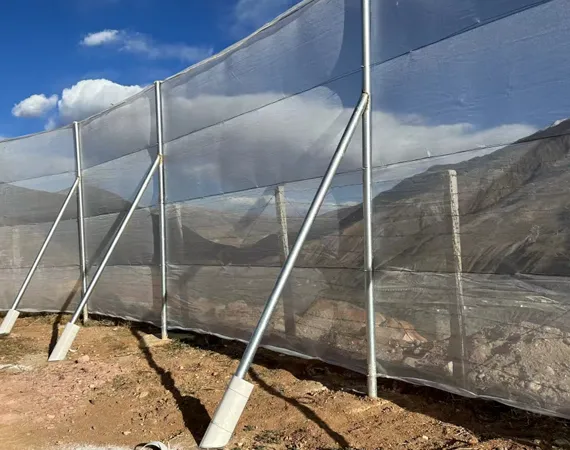
There is no single wind reduction rate that fits every crop. The ideal choice depends on crop type, growing stage, climate conditions, and field location.
Lightweight windbreak nets with 30%-35% wind reduction provide basic protection while maintaining excellent ventilation.
Suitable applications include:
Open-field vegetables
Orchards
General agricultural areas
Crops requiring higher airflow
50% windbreak nets provide a balance between wind control and air circulation.
Common applications include:
Vegetable farms
Greenhouses
Nurseries
Horticultural projects
This level helps reduce wind stress while maintaining a suitable growing environment.
65% windbreak nets are designed for areas requiring stronger wind resistance.
Suitable applications include:
High wind regions
Sensitive crops
Agricultural facilities
Areas requiring additional shielding
The higher-density structure helps reduce wind force and protect crops from strong gusts.
Wind can affect crops in several ways, including mechanical damage, dehydration, and reduced growth. Installing proper wind protection for plants helps reduce these risks by controlling airflow around the growing area.
Strong winds can break branches, damage leaves, and disturb young plants. Windbreak nets slow down incoming airflow and reduce the pressure directly applied to crops.
Wind accelerates evaporation from soil and plant surfaces. By lowering wind speed, windbreak systems help maintain soil moisture and reduce irrigation frequency.
Bare soil can lose nutrients and structure under continuous wind exposure. Windbreak nets help reduce soil movement and protect the root environment.
A controlled airflow environment can support:
More consistent temperature conditions
Reduced plant stress
Better crop establishment
Improved growing performance
For growers seeking reliable agricultural protection, properly selected windbreak nets provide an effective solution for different climates and crop requirements.
Selecting a windbreak net requires evaluating several practical factors beyond wind reduction rate.
Before installation, consider:
Average wind speed
Seasonal storms
Prevailing wind direction
Field exposure
Areas with frequent strong winds generally require higher-density protection.
Different crops have different tolerance levels.
Young seedlings usually need stronger protection.
Mature trees may only require moderate wind control.
Delicate flowers and vegetables often benefit from stable airflow conditions.
The goal is to reduce harmful wind stress while maintaining enough ventilation.
A quality windbreak net should provide:
High-density polyethylene (HDPE) construction
UV stabilization for outdoor durability
Anti-corrosion performance
Stable wind reduction performance
Good tensile strength and weather resistance
The net structure directly affects airflow distribution and durability.
The effectiveness of a windbreak system depends not only on the net itself but also on installation design.
Important factors include:
Net height
Distance from crops
Supporting structure
Installation direction
A properly designed wind barrier can protect a larger area and improve overall performance.
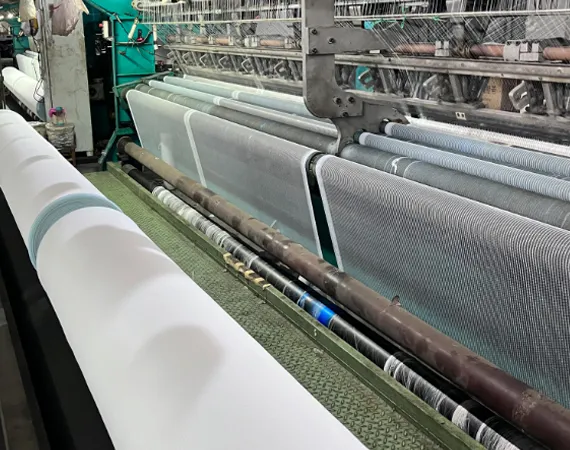
Huachang provides professional agricultural textile solutions designed for global farming environments. Jiangsu Huachang Yarns & Fabrics Co., Ltd. is located in Zhenjiang City, Jiangsu Province, with convenient transportation.
The company operates a 66,000-square-meter production facility with 150 employees, equipped with 10 extrusion lines, 115 Sulzer projectile looms, 48 rapier looms, and 14 Raschel knitting machines. Huachang has achieved “SGS Audited Supplier Certification” and “ISO 9001 Quality Management System Certification.”
Its product portfolio includes windbreak nets, shade nets, anti-insect nets, anti-hail nets, anti-bird nets, weed mats, and other plastic textile products. With strong research and development capabilities, advanced production technology, and strict quality management, Huachang delivers customized agricultural protection solutions for different markets.
Huachang products are widely used in South America, North America, Europe, the Middle East, Southeast Asia, and Australia. The company focuses on providing stable-quality products at competitive prices and building long-term partnerships with customers worldwide.
For customized wind protection solutions, growers can contact the Huachang team through Contact Us for professional support.
Choosing the correct wind reduction rate is essential for effective crop protection. A 40%-60% windbreak net is suitable for most agricultural applications, offering a balance between wind control and ventilation. Higher reduction rates are better for exposed areas, sensitive crops, and extreme weather conditions, while lower rates are suitable for crops that require stronger airflow.
The best wind protection solution should consider crop type, local climate, wind intensity, and installation conditions. With the right windbreak system, growers can reduce crop damage, improve water efficiency, and create a healthier growing environment.
No. Quality windbreak nets are designed to reduce and control wind speed rather than completely block airflow. Partial airflow reduction helps prevent turbulence and protects crops while maintaining ventilation.
The installation height depends on the protection area and wind conditions. Generally, taller windbreak structures provide wider protection zones because they influence airflow over a larger distance.
Windbreak nets can reduce wind pressure and help minimize storm damage, but they cannot completely eliminate risks from extreme weather events. Proper installation and support structures are important for maximum effectiveness.
Yes. Windbreak nets can be installed around greenhouses to reduce external wind pressure, protect greenhouse structures, and create a more stable environment for crops.
Huachang windbreak nets are treated with anti-UV and anti-corrosion technology, providing reliable outdoor performance with a service life of approximately 3–5 years under suitable installation and environmental conditions. The products come with a 5-year warranty.
 Tel/Whatsapp +86-0511-87261373
  yerm@stcco.com.cn
 English